Solar Power + Smart Appliances: Maximizing Efficiency in Southern California
Southern California leads the nation in residential solar adoption — and for obvious reasons. Near-year-round sunshine, extremely high utility rates, and strong state incentives make solar ROI almost unmatched anywhere else in the country. But to truly maximize your solar investment, your appliances need to work intelligently with your system.
The Time-of-Use Rate Reality
Most SoCalEdison customers are now on Time-of-Use (TOU) rate plans, whether they fully realize it or not. Under TOU pricing:
- Off-peak hours (roughly 9 PM – 4 PM): Lower rates, typically $0.20–$0.28/kWh
- On-peak hours (4 PM – 9 PM): Premium rates, often $0.40–$0.55/kWh in summer
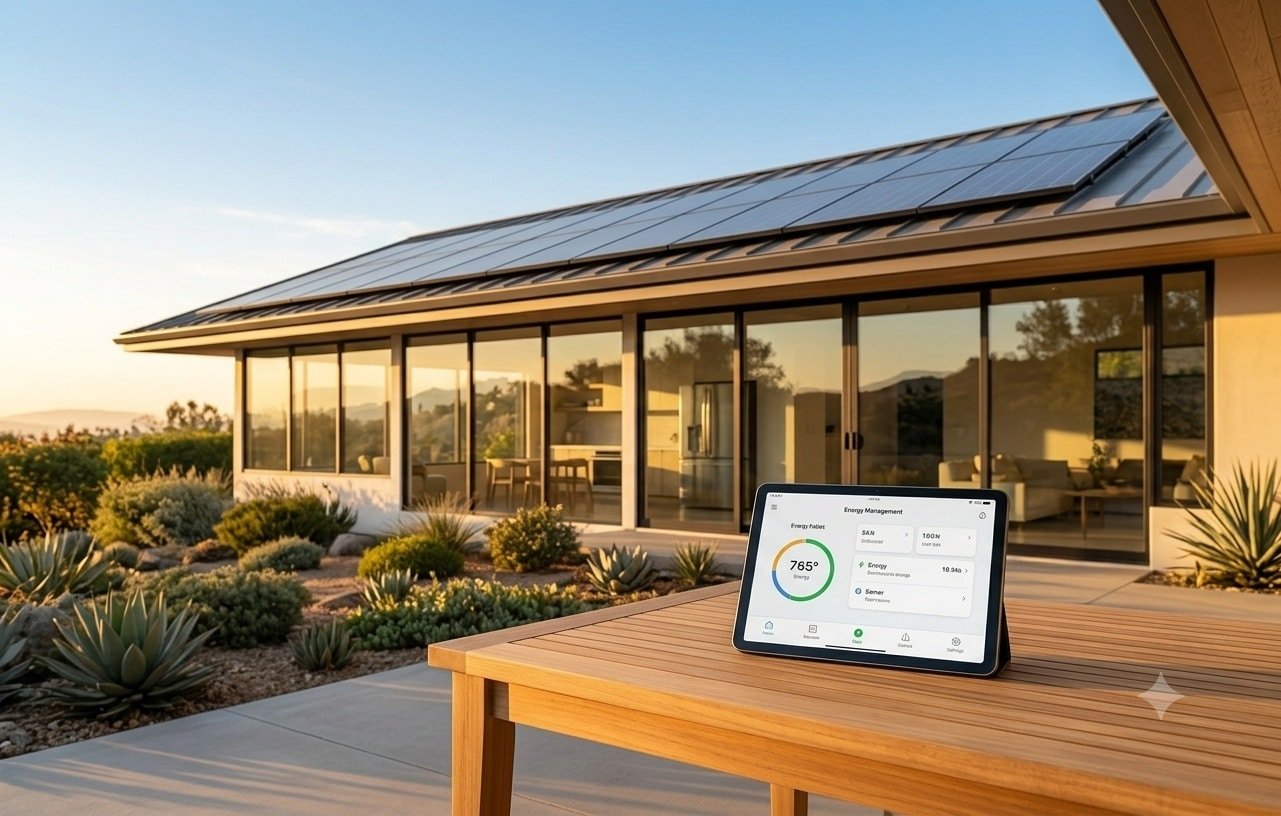
For solar customers, this creates a key insight: the electricity your panels produce during the day is valuable for on-site use, but the electricity you draw from the grid in the evening costs a premium. Smart appliances help you use more of your own solar production and less expensive peak-hour grid power.
How Smart Appliances Work With a Solar System
Delay-Start Features
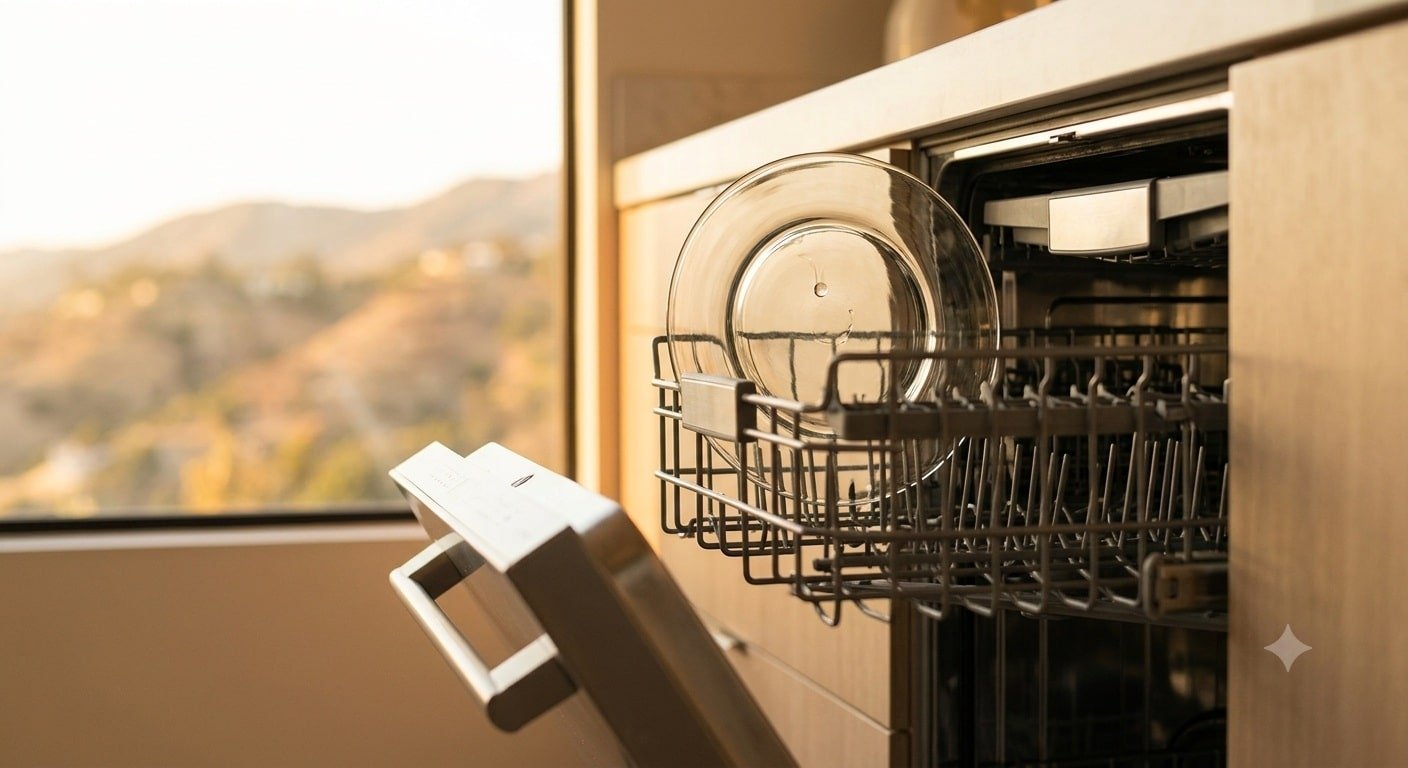
Most modern washers, dryers, and dishwashers offer delay-start programming. Schedule them to run between 10 AM and 3 PM when your solar panels are at peak production. You’re using your own solar electricity rather than drawing from the expensive evening grid.
Smart Refrigerators With Energy Management
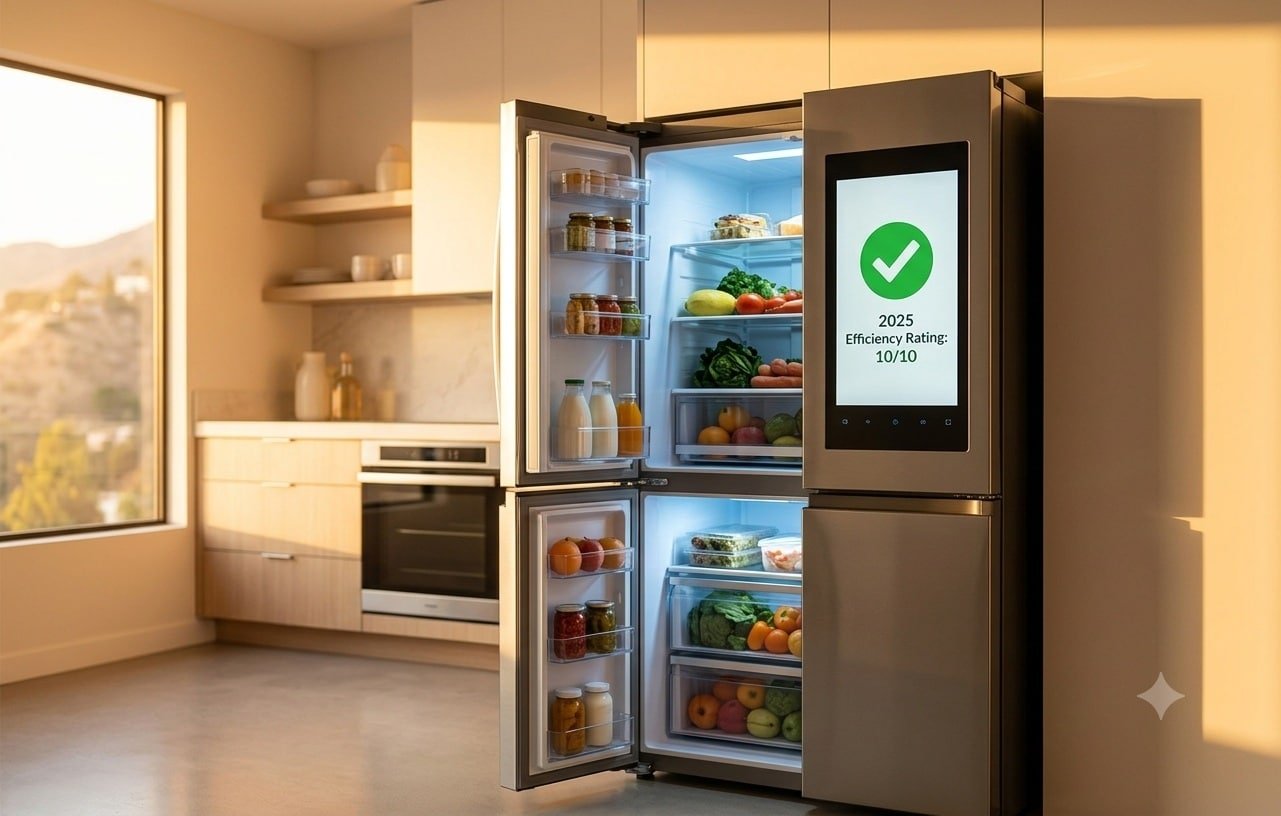
Wi-Fi-connected refrigerators from LG (ThinQ) and Samsung (SmartThings) can participate in home energy management systems. Some models pre-cool their interiors slightly during peak solar hours, using thermal mass to reduce compressor work during costly evening peaks.
Heat Pump Water Heaters — The Hidden MVP
Heat pump water heaters (HPWHs) aren’t a traditional appliance repair topic, but they deserve mention here: they’re one of the most effective ways to store excess midday solar production. Schedule them to heat water during peak solar hours. You’re essentially storing solar energy as hot water — a form of thermal battery that California’s TECH Clean California program heavily incentivizes.
NEM 3.0 Changes Everything for New Solar Customers
California’s updated Net Energy Metering policy (NEM 3.0), effective April 2023, significantly reduced the export credit for solar electricity sent to the grid. Under NEM 3.0, new solar customers are strongly incentivized to use electricity on-site — through battery storage and smart appliance scheduling — rather than export it.
This makes smart appliance scheduling and home battery storage (Powerwall, Enphase) far more valuable than they were under NEM 2.0. If you’re a new solar customer in OC, smart appliances aren’t optional extras — they’re central to the financial case for your system.
Building a Smart Home Energy System in OC
For a fully optimized Southern California home:
- Solar panels sized to annual consumption
- Battery storage (Tesla Powerwall, Enphase IQ Battery) for evening self-consumption
- Smart appliances with delay-start and TOU scheduling
- Smart thermostat (Nest or Ecobee) for HVAC optimization
- EV charger scheduled for overnight off-peak or midday solar charging
Which Smart Features Are Actually Worth It?
High value: – Delay-start scheduling on washer, dryer, dishwasher – Wi-Fi energy monitoring (see exactly what each appliance costs to run) – App-based diagnostics (catches issues early, sometimes before you notice) – Automatic firmware updates
Moderate value: – Voice control integration (Alexa/Google Home) – Remote start from your phone
Low value for most households: – Advanced food-tracking cameras in smart refrigerators – Overly complex automation that requires constant management
Frequently Asked Questions
Do smart appliances use more energy than regular appliances? No — the Wi-Fi chip and sensors add minimal electricity use, typically less than 5 kWh/year. The efficiency gains from scheduling and optimization far outweigh this.
What’s the best smart washer for a SoCal solar home? LG’s ThinQ lineup and Samsung’s SmartThings-compatible appliances both offer excellent delay-start and energy monitoring. For dryers, LG’s heat pump ThinQ models are the efficiency gold standard and work seamlessly with TOU scheduling.
Does solar justify replacing older appliances sooner? If you have solar, running energy-intensive older appliances costs less per kWh during the day — but replacing them with smart, efficient models lets you maximize self-consumption and system ROI. The math is genuinely case-by-case. Call us and we’ll give you an honest assessment.
Appliance repair or efficiency questions in Orange County? Whether your smart appliance is throwing error codes or just needs service, OCG Appliances handles it all. Visit ocgappliances.com.